
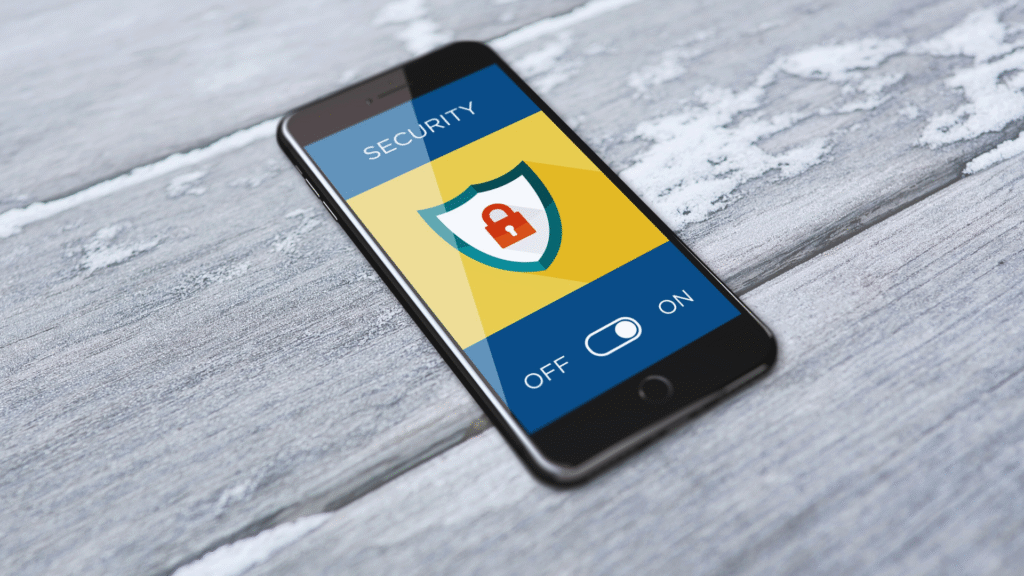

Traveling opens up new experiences and adventures, but it also poses significant risks to personal data. With the rise in cyber threats, understanding digital security is essential for anyone embarking on international travel. Travelers must take proactive steps to protect their data, ensuring their devices and information remain secure while on the go.
Cybersecurity should be a top priority for those exploring foreign lands. Public Wi-Fi networks can be a hotspot for cybercriminals, making it crucial to avoid unsecured connections. By using VPNs, enabling two-factor authentication, and keeping software updated, individuals can greatly reduce their vulnerabilities.
Staying informed about potential threats allows travelers to navigate new environments without sacrificing their digital security. Whether it’s safeguarding sensitive information or securing devices against theft, knowing the right precautions makes each journey safer. Travelers equipped with the proper knowledge can enjoy their adventures without the fear of compromising their personal data.
Understanding Digital Risks When Traveling
Traveling can expose individuals to various digital risks that threaten their information security. Awareness of these risks is essential for anyone wishing to protect their data while navigating unfamiliar environments.
Common Cyber Threats Abroad
Travelers encounter specific cyber threats such as phishing attacks, malware distribution, and device theft. Phishing attempts often manifest through fake emails or websites that appear legitimate, tricking users into revealing personal information.
Malware can compromise devices through malicious apps or unauthorized downloads, leading to data loss. Furthermore, physical theft of devices increases when individuals are distracted in crowded areas, making awareness and vigilance crucial.
Dangers of Public Wi-Fi and Unsecured Networks
Public Wi-Fi is a common feature in hotels, cafes, and airports, yet it poses significant dangers. Unsecured networks allow hackers to intercept sensitive data transmitted over them.
When connecting to public Wi-Fi, travelers should avoid accessing sensitive accounts or conducting transactions. Using a Virtual Private Network (VPN) can encrypt data and provide an additional layer of protection against potential threats.
Sensitive Data and Information Exposure
Travelers often carry sensitive data, such as credit card information and personal identification, making them prime targets for cybercriminals. Data exposure can occur through various means, including insecure networks or malware.
To mitigate risks, individuals should regularly update their devices and software, ensuring the latest security measures are in place. Additionally, storing sensitive information in encrypted formats can significantly reduce the likelihood of unauthorized access while traveling.
Essential Strategies to Protect Your Data
Travelers must remain vigilant about their digital security. Implementing effective strategies can help safeguard personal data while on the go.
Using VPNs and Secure Connections
A Virtual Private Network (VPN) is essential for maintaining privacy when accessing the internet in public places. When using Wi-Fi in cafes or hotels, a VPN encrypts the data being transmitted, preventing hackers from intercepting sensitive information.
Choosing a reputable VPN service is crucial. Look for features such as no-log policies and strong encryption standards. Ensuring that connections are always over HTTPS further enhances security, as it encrypts data between the browser and the website.
Regularly updating VPN software also helps maintain robust protection against emerging threats. When traveling, connecting to a VPN should be a priority to ensure data remains safe.
Creating Strong Passwords and Secure Authentication
Strong passwords are a fundamental aspect of cybersecurity. They should be complex, incorporating a mix of letters, numbers, and symbols. A password manager can assist in generating and storing unique passwords for various accounts.
Two-factor authentication (2FA) adds an extra layer of security. This requires not only a password but also a second verification method, such as a code sent to a mobile device.
Travelers should avoid using public Wi-Fi for logging into sensitive accounts. If necessary, use a VPN to secure the connection before accessing personal information.
Updating and Securing Electronic Devices
Keeping electronic devices updated is vital for protecting against vulnerabilities. Regular software updates patch security holes and improve device performance. Travelers should enable automatic updates whenever possible.
Using security features, such as firewalls and antivirus software, can further protect devices. It’s advisable to install reputable antivirus programs to guard against malware.
Additionally, setting strong passwords for devices themselves is essential. Shedding unnecessary apps and files ensures only necessary data is stored, minimizing potential risks.
Preventing Malware and Cyber Attacks
Malware can severely compromise data security. Travelers must be cautious when downloading apps or clicking links, especially from unknown sources. Using official apps from app stores limits exposure to malware.
Regularly scanning devices with antivirus software detects and removes malware efficiently. Browsers that have built-in security features can help block malicious websites and content.
Finally, educating oneself about phishing scams is crucial. Travelers should verify the sender of any email before providing personal information or clicking links, as many cyberattacks begin with deceptive emails.
Physical Security and Device Protection Abroad
Travelers must remain vigilant about device security and data protection while overseas. Implementing effective strategies can minimize the risk of theft and unauthorized access to sensitive information. Below are key considerations for ensuring device safety.
Preventing Device Theft and Loss
To prevent device theft, travelers should always be aware of their surroundings. Using an anti-theft backpack with lockable zippers can dissuade pickpockets. Keeping devices in a secure location, such as a hotel safe, helps prevent loss during excursions.
Tips for securing devices:
- Avoid leaving devices unattended in public places.
- Utilize common sense and stay alert to suspicious behavior.
- Mark devices with identifying information to aid in recovery.
Additionally, activating device tracking features allows for location monitoring if a device goes missing.
Utilizing Loaner Devices and Privacy Screens
Travelers should consider using loaner devices when accessing sensitive information abroad. These devices often come with fewer personal risks, as they do not contain personal data.
Benefits of loaner devices:
- Reduced risk of exposure for personal accounts.
- Limited potential for data compromise if stolen.
When using personal devices, privacy screens serve as a protective measure. They restrict visibility to those nearby, ensuring that sensitive information remains confidential.
Safeguarding Sensitive Information During Travel
When traveling, it’s essential to protect sensitive information actively. Avoid connecting to public Wi-Fi networks, which can expose data to hackers. Instead, use a Virtual Private Network (VPN) for secure internet access.
Additional precautions include:
- Encrypting files containing personal data before travel.
- Regularly updating passwords and using two-factor authentication.
These steps contribute to securing data and maintaining privacy throughout the journey. By prioritizing device protection, travelers can focus on their experiences without worrying about data breaches.
Navigating Legal Considerations and Border Safety
Traveling abroad involves navigating various legal frameworks that can impact data privacy and security. Awareness of border inspections and export control laws is essential for ensuring compliance with regulations, especially for international travelers carrying sensitive information.
Border Inspections and Your Privacy
During border inspections, travelers may encounter agents who have the authority to review electronic devices such as laptops and smartphones. Customs officials in many countries can inspect data stored on these devices without a warrant or probable cause.
Travelers should prepare by understanding what information is at risk and consider using encryption tools. Utilizing cloud storage can also prevent sensitive data from being physically present on devices during inspections.
Importantly, travelers should be aware of their rights and the limits of government authority. Many jurisdictions allow individuals to refuse searches, although this may lead to entry denial.
Understanding Export Control Laws and Export Control
Export control laws regulate the transfer of sensitive technologies and information across borders. These laws vary significantly by country and can restrict certain data types and materials, especially for researchers and academics traveling abroad.
U.S. laws, for example, enforce strict guidelines regarding the export of specific technologies and sensitive information. Violating these laws can lead to severe penalties.
It is crucial for international travelers, particularly those in research or academia, to familiarize themselves with both U.S. and destination country regulations. Consulting legal experts or institutional guidelines can provide clarity on what can be brought across borders.
U.S. Customs and Border Protection Guidelines
The U.S. Customs and Border Protection (CBP) agency outlines specific guidelines regarding the inspection of electronic devices at borders. According to CBP, officers may examine, search, or seize any device and its contents.
Travelers should be prepared to provide passwords and access codes if requested. The guidelines, detailed on the CBP website, indicate that non-compliance might result in extended inspection times or device confiscation.
For better preparedness, users should familiarize themselves with CBP policies. Maintaining copies of important documents and keeping valuable data backed up elsewhere can mitigate risks associated with inspections.
Fourth Amendment Implications for International Travelers
The Fourth Amendment protects citizens against unreasonable searches and seizures, but its applicability varies at international borders. Courts have often upheld that border searches can occur with lower standards of suspicion.
For international travelers, this means accepting that border screenings may infringe on privacy rights. It is advisable for individuals to understand the implications of these legal standards before traveling.
To protect personal and sensitive data, travelers should consider mitigating strategies, such as limiting stored information and employing security measures like data encryption or using “clean” devices that contain minimal sensitive data.